
Explore the Best Vegetarian Indian Dishes
Indian vegetarian dishes are a treasure trove of flavors, colors, and textures. From rich curries to crispy snacks, the variety is vast and exciting. Whether you are a seasoned vegetarian or just curious about plant-based options, Indian cuisine offers something for everyone. This post will guide you through some of the best vegetarian Indian dishes that you must try.
Discover Popular Indian Vegetarian Dishes
Indian vegetarian dishes are known for their bold spices and wholesome ingredients. Here are some classic dishes that showcase the diversity of vegetarian cooking in India:
- Paneer Butter Masala: A creamy tomato-based curry with soft cubes of paneer (Indian cottage cheese). It is mildly spiced and perfect with naan or rice.
- Chole (Chickpea Curry): A hearty and spicy chickpea stew cooked with onions, tomatoes, and a blend of spices. It pairs well with bhature or rice.
- Aloo Gobi: A dry curry made with potatoes and cauliflower, flavored with turmeric, cumin, and coriander.
- Dal Tadka: Yellow lentils cooked and tempered with mustard seeds, garlic, and chili. It is a staple in many Indian households.
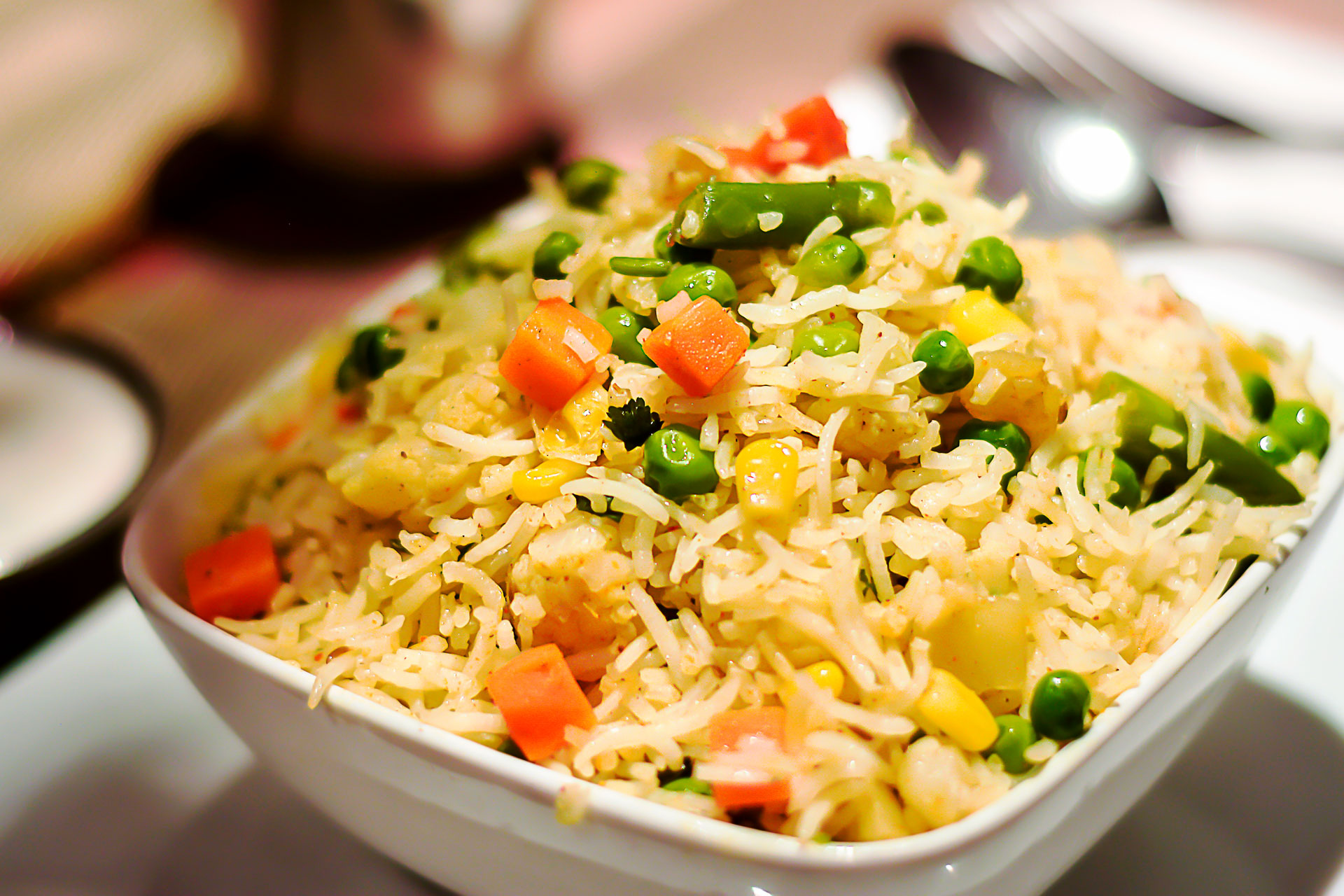
- Vegetable Biryani: A fragrant rice dish cooked with mixed vegetables, saffron, and aromatic spices.
- These dishes are not only delicious but also nutritious, making them ideal for a balanced vegetarian diet.
Paneer Butter Masala served in a traditional bowl
Regional Variations of Indian Vegetarian Dishes
India’s vast geography means that vegetarian dishes vary widely from region to region. Each area has its own unique ingredients and cooking styles:
- North India: Known for rich gravies and dairy-based dishes like paneer tikka and rajma (kidney beans curry).
- South India: Famous for rice-based dishes such as dosa, idli, and sambar, which are light yet flavorful.
- West India: Includes Gujarat and Maharashtra, where you find sweet and tangy dishes like dhokla and pav bhaji.
- East India: Bengal and Odisha offer dishes like shorshe ilish (mustard fish curry, but vegetarian options include shorshe begun – mustard eggplant) and aloo posto (potatoes in poppy seed paste).
- Exploring these regional specialties can give you a deeper appreciation of the rich culinary heritage of India.
South Indian thali featuring dosa and sambar
Tips for Cooking Authentic Indian Vegetarian Dishes at Home
Cooking Indian vegetarian dishes at home can be rewarding and fun. Here are some practical tips to help you get started:
- Use Fresh Spices: Indian cooking relies heavily on spices like cumin, coriander, turmeric, and garam masala. Freshly ground spices make a big difference.
- Balance Flavors: Indian dishes often balance sweet, sour, salty, and spicy elements. Taste as you cook and adjust seasoning accordingly.
- Cook Lentils Properly: Lentils are a staple in vegetarian Indian cuisine. Soak them if needed and cook until soft for the best texture.
- Experiment with Vegetables: Don’t hesitate to try different vegetables in curries and stir-fries. Seasonal produce works best.
- Use Ghee or Oil Wisely: Ghee adds richness, but you can substitute with vegetable oil for a lighter dish.
- By following these tips, you can create delicious and authentic Indian vegetarian dishes in your own kitchen.
Where to Experience Authentic Vegetarian Indian Cuisine
If you want to enjoy expertly prepared vegetarian Indian dishes without cooking, visiting a reputable restaurant is a great option. Many Indian restaurants specialize in vegetarian fare, offering a wide range of dishes from different regions.
For those interested in exploring more about vegetarian indian cuisine, there are excellent dining options that focus on traditional recipes made with fresh ingredients. These places often provide a full sensory experience with vibrant flavors and beautiful presentations.
Health Benefits of Indian Vegetarian Dishes
Indian vegetarian dishes are not only tasty but also packed with health benefits:
- Rich in Fiber: Lentils, beans, and vegetables provide ample dietary fiber, aiding digestion.
- High in Protein: Paneer, lentils, and chickpeas are excellent plant-based protein sources.
- Loaded with Antioxidants: Spices like turmeric and cumin have anti-inflammatory properties.
- Low in Saturated Fat: Many dishes use vegetable oils and legumes, making them heart-friendly.
- Balanced Nutrition: Combining grains, legumes, and vegetables ensures a complete nutrient profile.
- Incorporating these dishes into your diet can promote overall wellness and support a healthy lifestyle.
Embrace the Flavors of Indian Vegetarian Dishes Today
Exploring Indian vegetarian dishes opens up a world of culinary delights. Whether you try cooking at home or visit a restaurant, the rich flavors and wholesome ingredients will leave you wanting more. From creamy paneer curries to spicy lentil stews, there is something to satisfy every palate.
Start your journey with a few classic recipes or seek out authentic dining experiences to fully appreciate the diversity of Indian vegetarian cuisine. Enjoy the vibrant tastes and nourishing qualities that make these dishes truly special.