
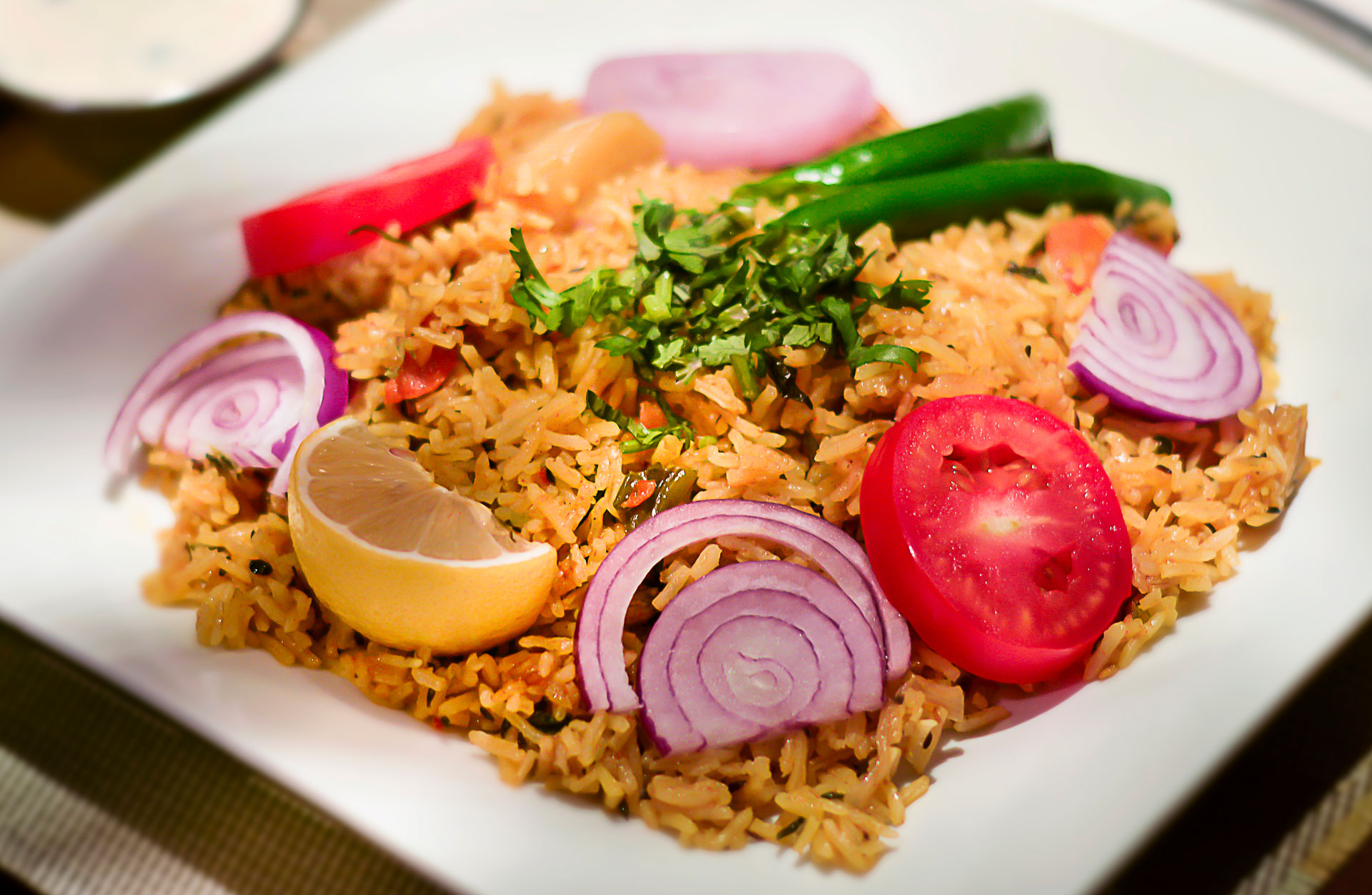
Exploring Popular Indian Vegetarian Dishes
Indian vegetarian cuisine offers an impressive variety of dishes that cater to different tastes and preferences. Here are some popular examples:
- Chana Masala: A spicy chickpea curry cooked with tomatoes, onions, and a blend of spices. It is hearty and pairs well with rice or flatbreads.
- Palak Paneer: A creamy spinach curry with cubes of paneer cheese. This dish is rich in iron and calcium.
- Aloo Gobi: A dry curry made with potatoes and cauliflower, flavored with turmeric, cumin, and ginger.
- Baingan Bharta: Roasted eggplant mashed and cooked with tomatoes, onions, and spices, offering a smoky flavor.
- Masoor Dal: Red lentils cooked until soft and tempered with mustard seeds, garlic, and curry leaves.
- These dishes showcase the diversity of ingredients and cooking styles in Indian vegetarian cuisine. Many recipes can be adjusted to suit different spice levels and dietary needs.
Chana masala served with basmati rice
What is the Most Famous Vegetarian Dish?
Among the many vegetarian dishes in India, Paneer Butter Masala stands out as one of the most famous and beloved. This dish features paneer cubes cooked in a rich, creamy tomato-based sauce with butter and a blend of aromatic spices. It is mildly spiced, making it accessible to a wide range of palates.
Paneer Butter Masala is often served with naan or jeera rice (cumin-flavored rice). Its popularity extends beyond India, frequently appearing on menus in Indian restaurants worldwide. The dish’s creamy texture and balanced flavors make it a favorite for both vegetarians and non-vegetarians alike.
Another contender for the most famous dish is Dal Tadka, a simple yet flavorful lentil dish tempered with garlic, cumin, and chili. It is a staple in many Indian households and is appreciated for its comforting taste and nutritional value.
Paneer butter masala with creamy tomato gravy
Tips for Cooking Authentic Indian Vegetarian Food at Home
Cooking Indian vegetarian dishes at home can be a rewarding experience. Here are some practical tips to help you get started:
- Invest in Essential Spices: Stock your pantry with key spices like turmeric, cumin, coriander, garam masala, mustard seeds, and asafoetida. Fresh spices make a big difference in flavor.
- Use Fresh Ingredients: Fresh vegetables, herbs, and dairy products enhance the taste and nutritional value of your dishes.
- Master the Tempering Technique: Tempering spices in hot oil or ghee releases their flavors. This step is crucial in many Indian recipes.
- Balance Flavors: Indian cooking is about balancing sweet, sour, salty, and spicy elements. Taste as you cook and adjust seasoning accordingly.
- Experiment with Regional Recipes: Try dishes from different parts of India to explore the full spectrum of vegetarian flavors.
- For those interested in dining out or ordering authentic dishes, exploring vegetarian indian cuisine at specialized restaurants can provide inspiration and a deeper appreciation of this rich culinary tradition.
The Nutritional Benefits of Indian Vegetarian Dishes
Indian vegetarian dishes are not only flavorful but also highly nutritious. They often include a variety of vegetables, legumes, and whole grains, which provide essential vitamins, minerals, and fiber. Here are some key nutritional benefits:
- High in Protein: Lentils, chickpeas, and paneer are excellent sources of plant-based protein.
- Rich in Fiber: Vegetables and legumes contribute to digestive health and help maintain stable blood sugar levels.
- Packed with Antioxidants: Spices like turmeric and cumin have antioxidant properties that support overall health.
- Low in Saturated Fat: Many dishes use healthy oils like mustard oil or ghee in moderation.
- Balanced Meals: Indian meals often combine carbohydrates, proteins, and fats in balanced proportions.
- Incorporating Indian vegetarian dishes into your diet can support a healthy lifestyle while offering exciting flavors and textures.
Indian vegetarian dishes offer a world of taste and tradition that can enrich your culinary repertoire. Whether you are a seasoned cook or a curious food lover, exploring these dishes will introduce you to the vibrant and wholesome world of Indian vegetarian cuisine. From the aromatic spices to the colorful ingredients, every meal is a celebration of flavor and culture.